Dr. Pillai’s Ashtaang · Patient information
Pinda Sweda: a guide to Ayurvedic bolus therapies
Pinda Sweda is a family of Ayurvedic treatments that apply warmth through prepared bundles, often called boluses or kizhi. The material inside the bundle matters: powder, rice, lemon, sand, egg, salt and black gram are used in different forms. At Dr. Pillai’s Ashtaang in Ambernath, these treatments are available under Ayurvedic physician supervision, with the choice guided by your assessment.
Plan a consultationWhy there are different forms
Swedana is the Ayurvedic use of therapeutic warmth and sudation. Classical guidance distinguishes dry and unctuous forms and adjusts treatment to the person, condition, season and area being treated. Its traditional purposes include addressing stiffness, heaviness and coldness in selected clinical patterns. This framework explains why one bolus is not simply interchangeable with another. [S1]
At consultation, explain where you feel discomfort, how it affects movement and what care you already receive. A long-standing stiff area and a newly painful, hot or swollen area may call for different decisions. Your physician chooses the treatment and materials; the name of a diagnosis alone does not determine the procedure.
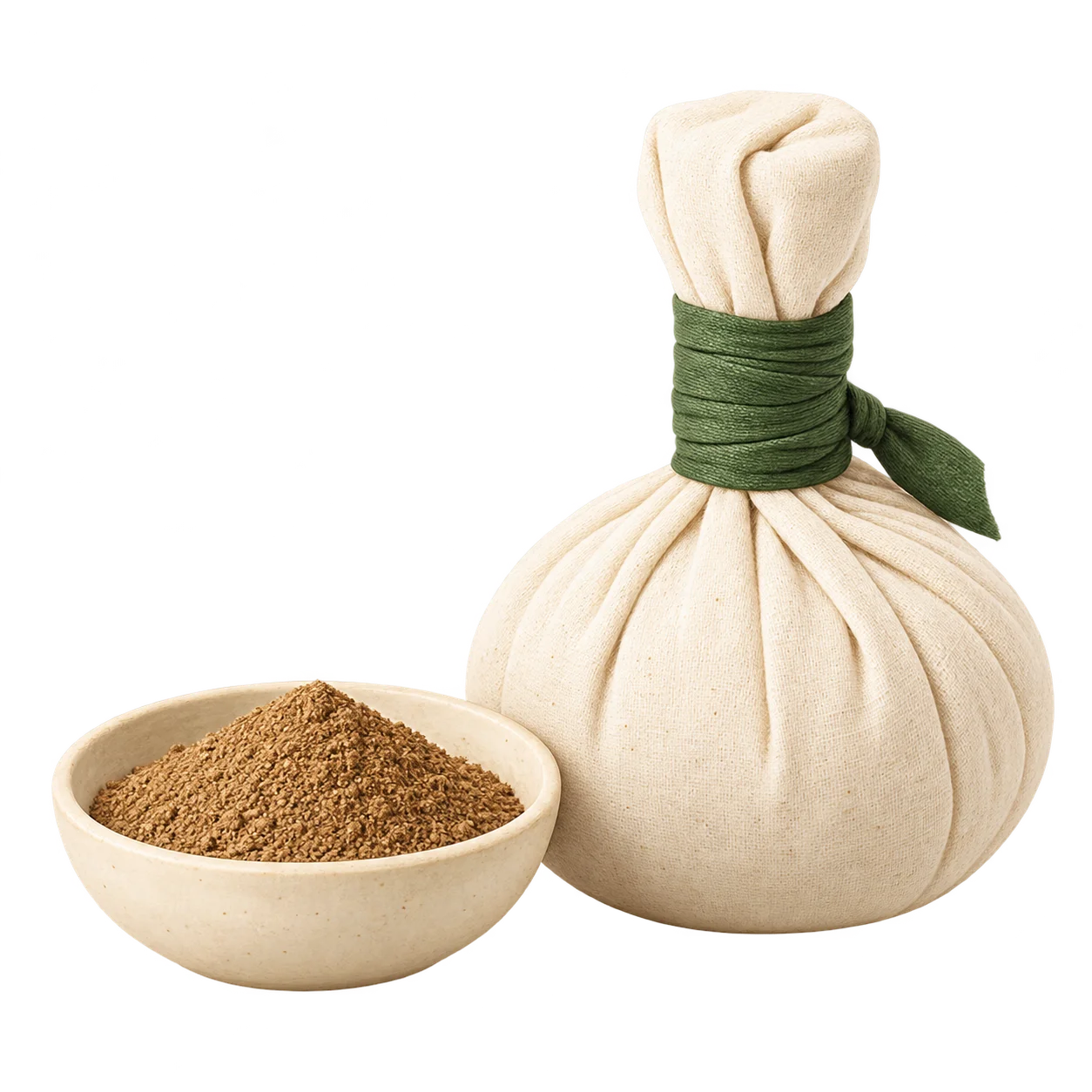
Choorna Pinda Sweda — Podi Kizhi
Choorna Pinda Sweda uses medicinal powder enclosed in a cloth bundle. The prepared bolus is applied to the body or a selected area. It differs from Udwartana, where powder is used directly in a massage method rather than enclosed in a bolus.
This form can be discussed when joint or muscle stiffness and discomfort are part of the clinical picture. The physician decides the powder and whether the selected approach fits your condition. Tell the team about sensitive skin or difficulty changing position. An indicative session takes 30–45 minutes; the number of visits is decided individually.
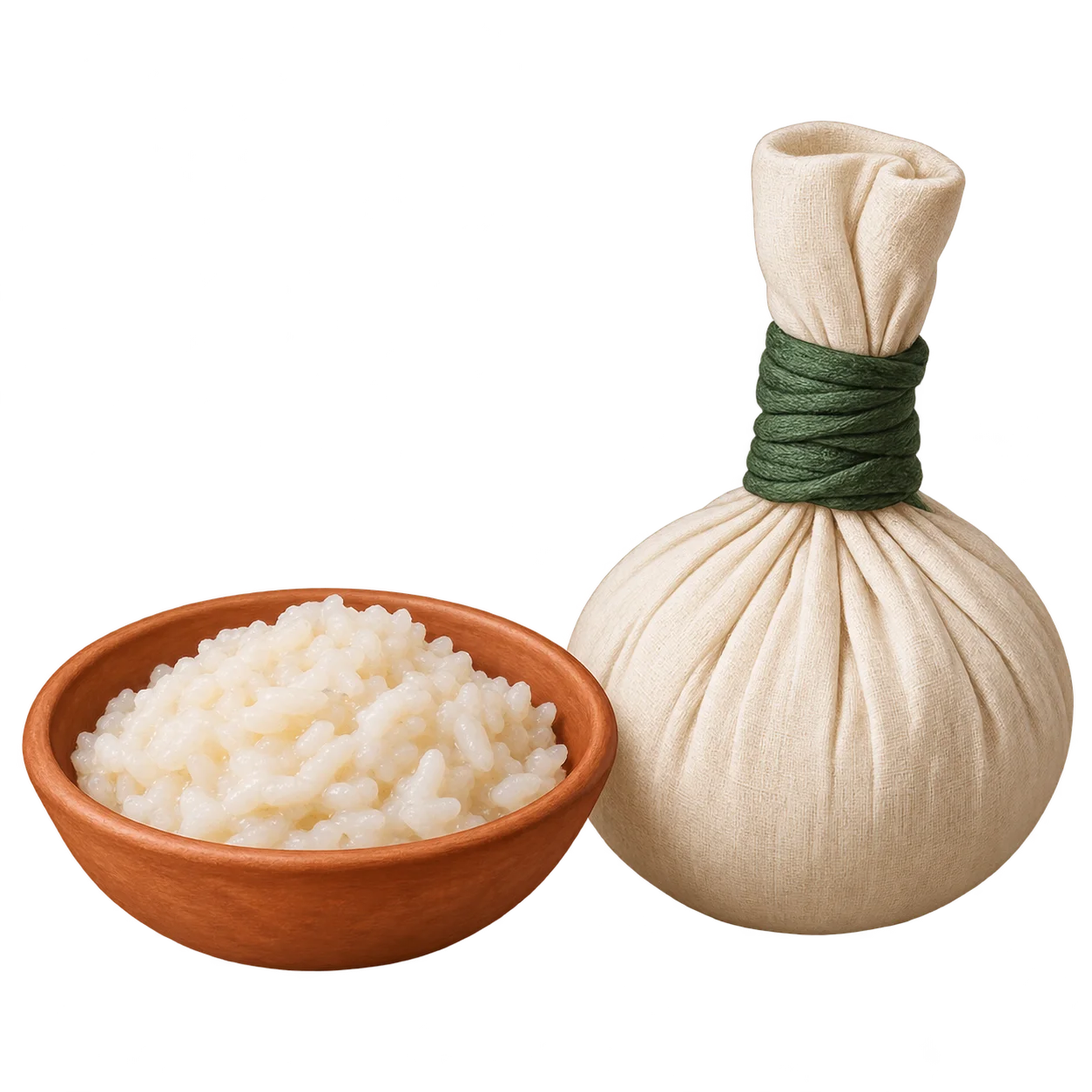
Shashtika Shali Pinda Sweda — Navara Kizhi
This form uses prepared Shashtika rice, also called Navara in the clinic’s Kerala Ayurveda terminology, in bundles used with milk and a herbal decoction. Treatment may focus on one area or cover a broader part of the body. [S2]
Ayurveda describes this approach as brimhana, or nourishing in therapeutic intent. It may be considered when the assessment calls for that approach alongside care for weakness or stiffness. “Nourishing” describes the Ayurvedic rationale; it does not mean that nutrients are proven to rebuild muscles or nerves through the skin. Mention milk-related allergy or sensitivity before treatment. Indicatively, sessions take 30–45 minutes, with courses of 7–14 days tailored to the patient.
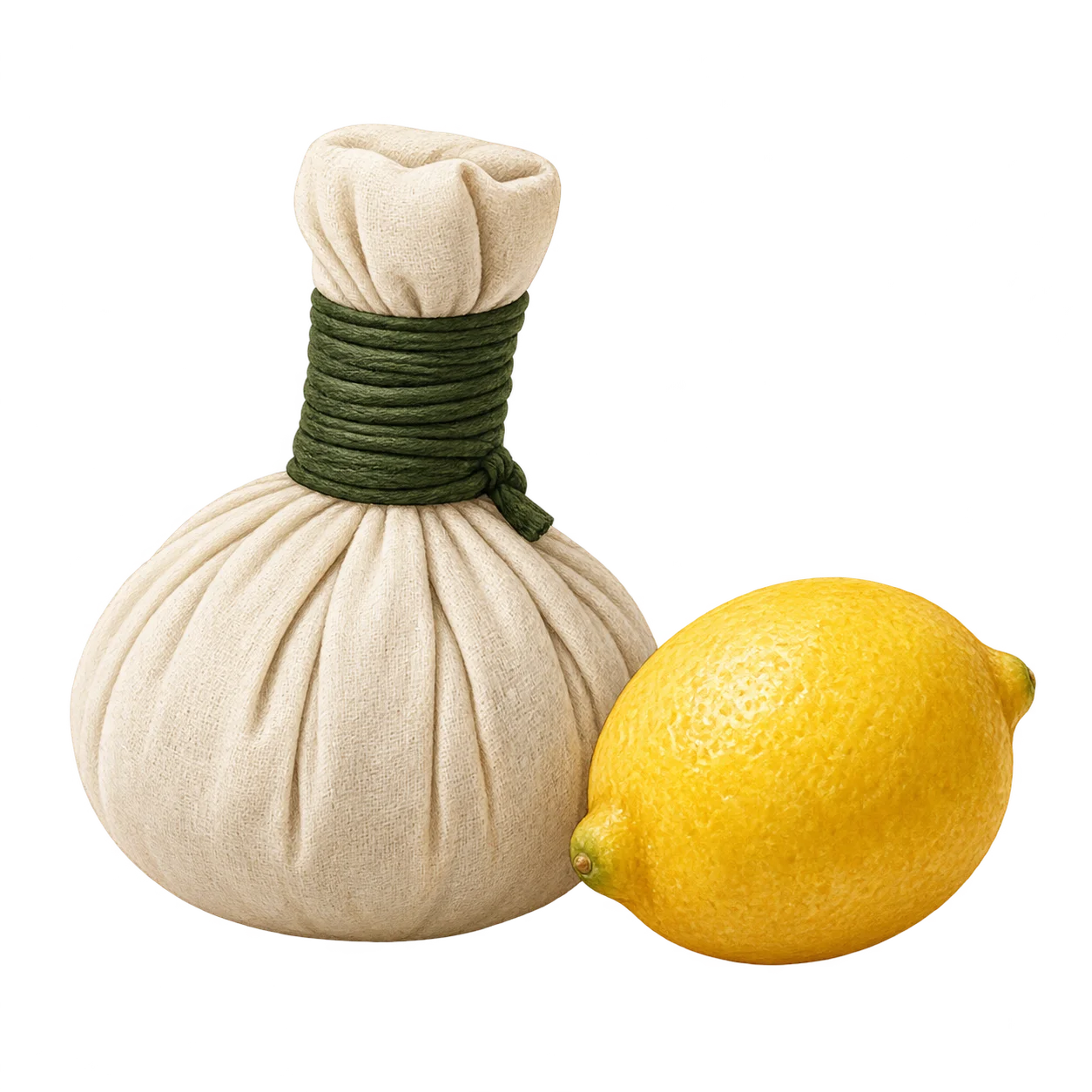
Jambeera Pinda Sweda
Jambeera uses lemon together with other selected medicinal materials in a prepared bolus. The combination is chosen according to the patient’s condition. It is a distinct preparation, not a fresh lemon rubbed directly onto the skin.
Joint or muscle stiffness can be a reason to discuss this option, but painful swelling requires assessment before warmth is selected. Let the physician know about skin irritation or sensitivity to citrus and other ingredients. The indicative treatment duration is 30–45 minutes, with a course planned over 7–14 days when appropriate. The full appointment and spacing of visits depend on the wider plan.
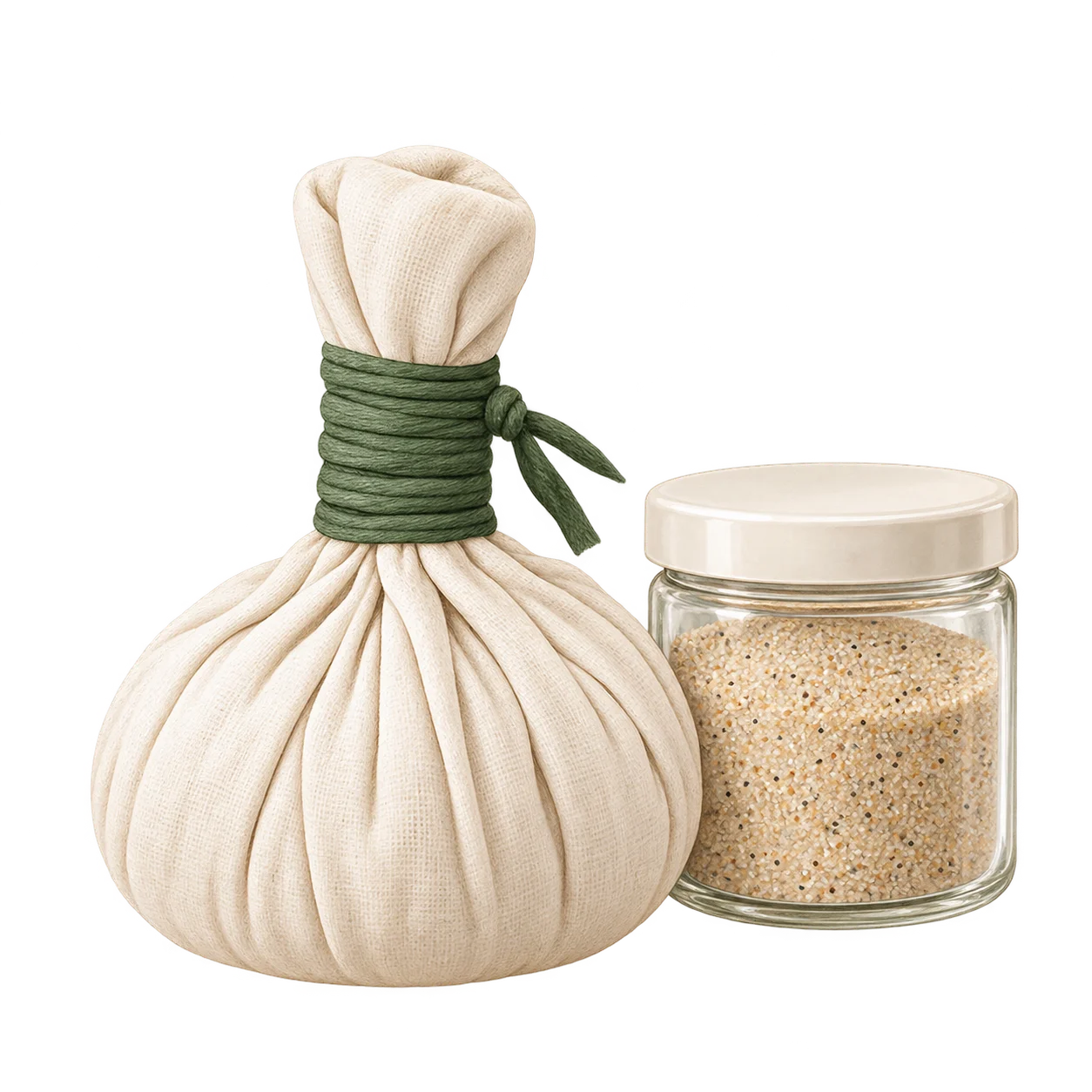
Valuka Sweda — Manal Kizhi
Valuka Sweda uses prepared, cleaned sand enclosed in a bolus. Its defining material distinguishes it from the rice-, leaf- and oil-associated forms of treatment. The sand remains contained within the bundle; this is not a sand scrub or a self-applied hot pack.
It belongs to the dry-warmth side of Ayurvedic fomentation practice. [S1] The physician may discuss it when that approach fits the assessment of stiffness or discomfort. A swollen joint should first be examined rather than treated simply because it appears in a list of traditional indications. An indicative session is 30–45 minutes, with a course of 5–7 days where prescribed.
Kukkutanda Pinda Sweda — Mutta Kizhi
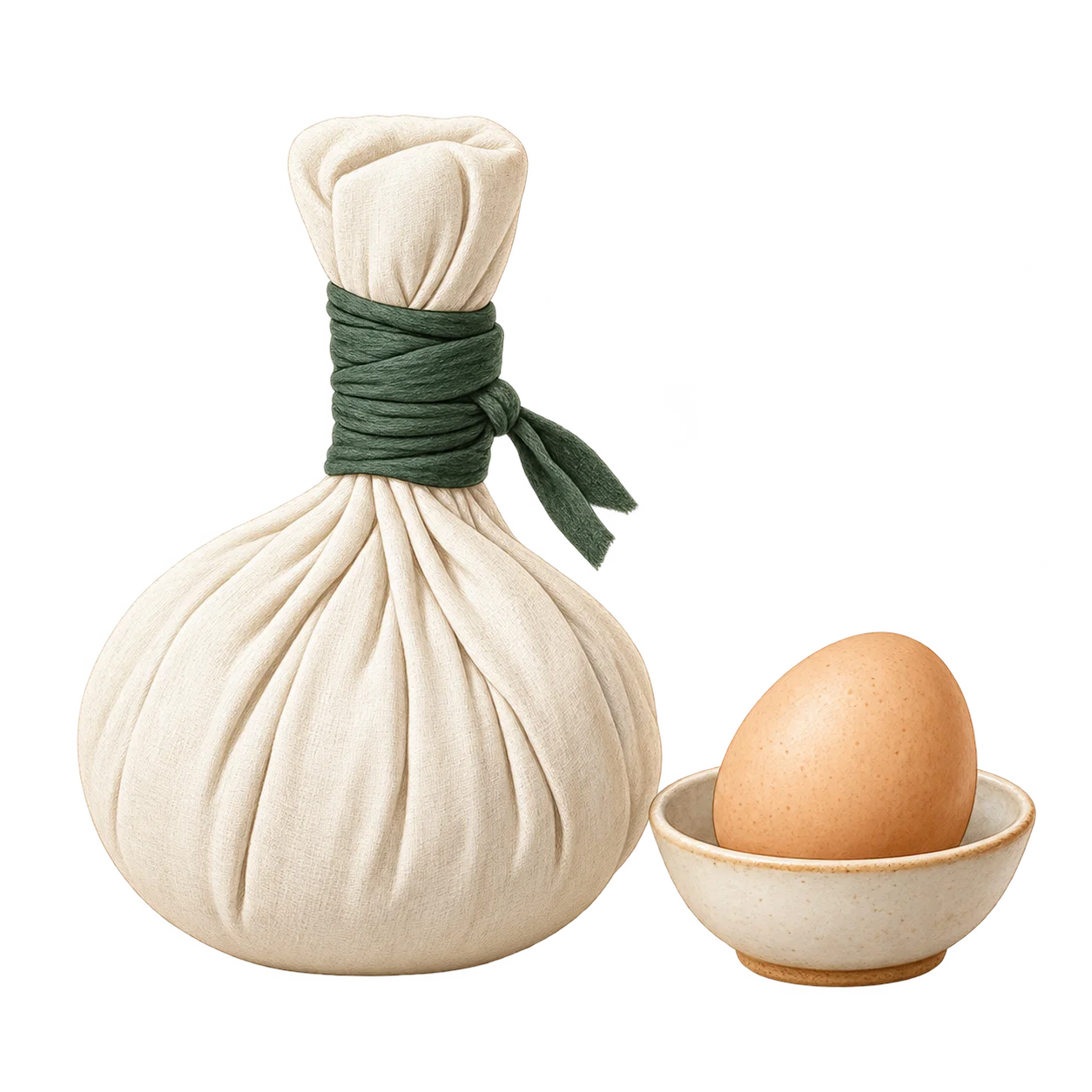
Kukkutanda uses a bolus prepared with egg yolk and selected herbal medicines. At Ashtaang, a short oil massage may precede it when indicated, followed by application of the prepared warm bundle to the selected area.
The material is an important part of understanding this therapy. Tell the physician about egg allergy and any personal or religious preference concerning animal-derived ingredients before the plan is agreed. If the procedure is unsuitable for you, discuss other options rather than substituting ingredients yourself. The indicative session lasts 25–30 minutes. The number and sequence of sessions are prescribed individually.
Lavana Pinda Sweda
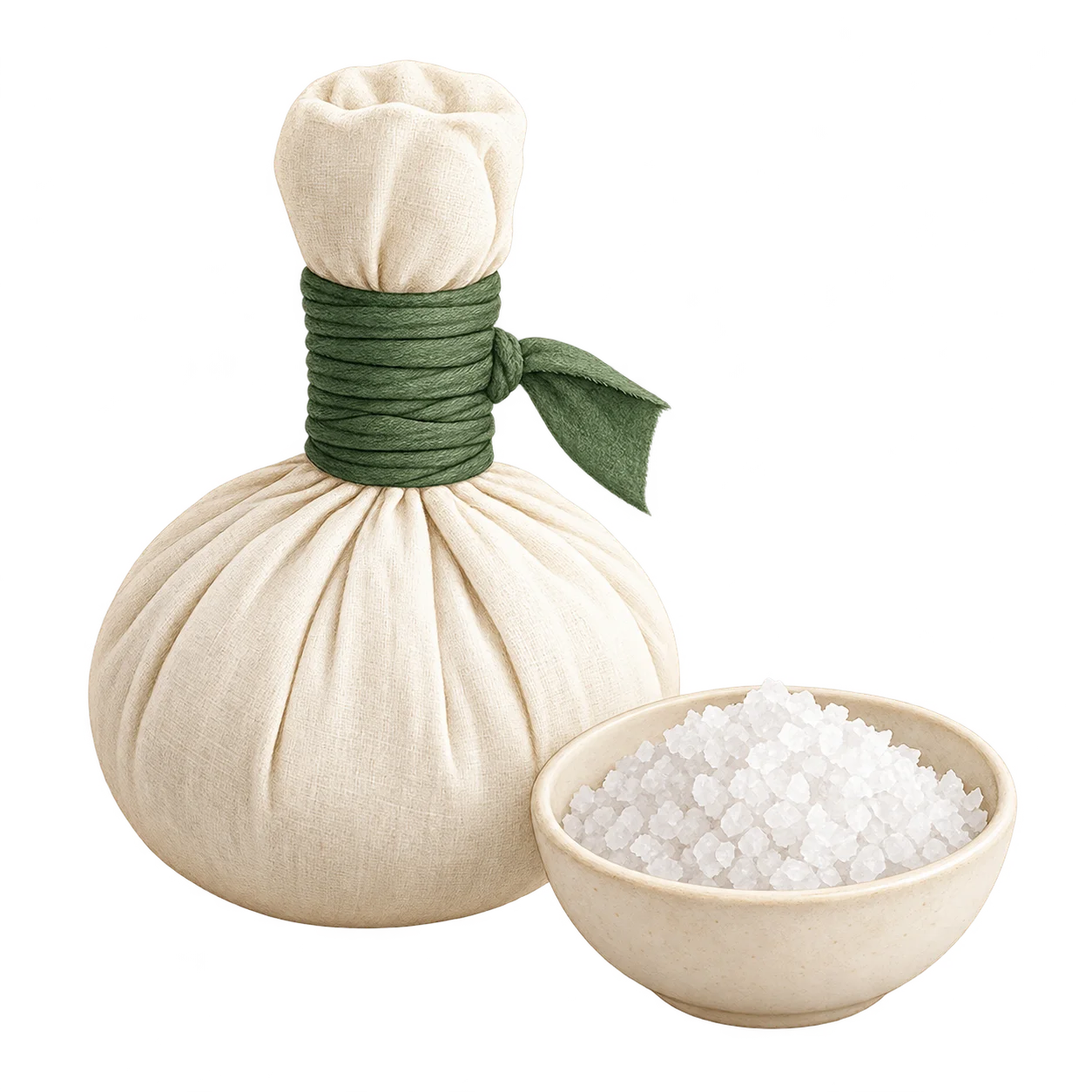
Lavana Pinda Sweda uses salt in a prepared bolus. It applies warmth through the bundle and should not be confused with rubbing loose salt onto the skin, a salt bath or a dietary salt treatment.
It may enter the discussion of care for muscular discomfort and stiffness when the physician considers the preparation appropriate. Skin condition, sensation and comfort help guide safe application. The material itself is not a reason to expect a stronger or faster result than another bolus. Indicative treatment time is 35–45 minutes; course length is decided after assessment rather than set by a standard package.
Masha Pinda Sweda
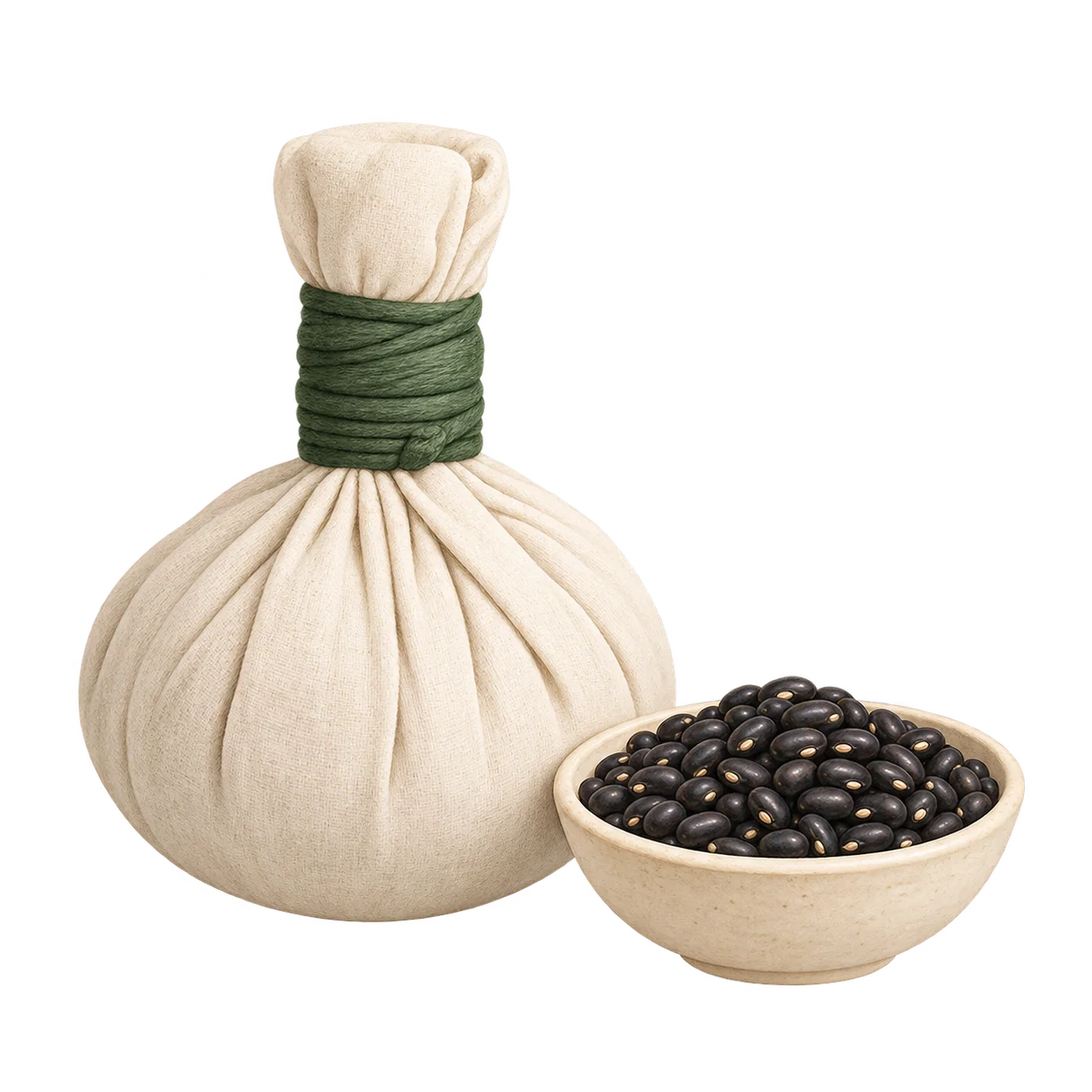
Masha Pinda Sweda uses black gram in a prepared bolus. It differs from the black-gram dough boundary used to retain oil in Kati or Janu Basti: here the material forms part of the bundle used for fomentation.
Muscular or joint stiffness and discomfort can be discussed with the physician when considering this form. The choice is made within the whole treatment plan, rather than from the ingredient name alone. Mention any sensitivity to black gram or other prescribed materials. Sessions are indicatively 30–45 minutes, with course patterns of 7 or 14 days when appropriate. We do not promise that this treatment stops cartilage degeneration or restores damaged ligaments.
Where Patra Pinda Sweda fits
Patra Pinda Sweda uses prepared medicinal leaves in cloth bundles and usually follows light oil massage at Ashtaang. Our separate Patra Pinda Sweda guide explains the procedure in detail. It is another member of this family, not a step that everyone needs before the forms described here.
Preparing for treatment
Bring your current prescription, a list of medicines and supplements, and relevant reports. Mention allergies, altered skin sensation, skin irritation, recent injury or surgery, pregnancy and any difficulty tolerating heat or treatment positions. Your physician will decide suitability and give instructions about meals, clothing and preparation.
During treatment, speak up if warmth feels excessive or if you notice burning, dizziness or discomfort. Stronger heat and heavier sweating are not goals to pursue. Treatment should be adjusted to the individual. [S1] These descriptions explain the clinic experience and are not instructions for preparing or heating boluses at home.
Visits and aftercare
The times above describe indicative treatment periods, not guaranteed total appointment lengths. Consultation, preparation or other care may require additional time. Some plans involve several visits; the physician decides the actual sequence and course. Ashtaang is an outpatient clinic without overnight admission or accommodation.
Before leaving, clarify bathing, activity, travel and follow-up advice. Describe any persistent irritation or worsening symptoms before your next treatment. At review, discuss practical changes in comfort and daily movement, and bring your previous written prescription. Medicines, diet and lifestyle guidance may accompany procedures according to your needs.
Traditional use and contemporary evidence
The Ayurvedic reasoning for selecting a bolus and the evidence for a specific clinical outcome are different questions. Research findings from one preparation cannot automatically be applied to the whole family. Studies that combine procedures with medicines also cannot tell us which component produced a change.
For these seven forms, this guide does not promise reversal of arthritis, neurological recovery, prevention of tissue degeneration or a fixed degree of symptom relief. Your physician will discuss the intended role of treatment and review your response. The traditional descriptions explain why a treatment may be considered; they are not guarantees.
Questions patients ask
Which bolus is best?
There is no single best choice for everyone. The physician considers your symptoms, examination, overall health and the materials appropriate to the plan.
Are rice, egg and black-gram treatments interchangeable?
No. They are different preparations. Tell the physician about allergies and preferences so the treatment can be planned appropriately.
Must I attend on consecutive days?
Not automatically. The timing ranges describe common planning patterns; the number and spacing of visits follow your prescription.
Is Pinda Sweda the same as a steam chamber?
No. Bolus treatments apply warmth through prepared bundles. A steam-chamber treatment is a different form of swedana.
Can the plan change at follow-up?
Yes. Your symptoms, tolerance and response help the physician decide whether to continue, adjust or choose another approach.
Arrange a consultation
Call or WhatsApp reception on +91 95521 28485 during working hours to arrange a consultation at Dr. Pillai’s Ashtaang. Appointments are preferred. The first step is understanding your concerns and deciding what care fits your needs.
Further reading
References
- [S1] Charak Samhita online. Swedadhyaya, Sutrasthana 14. Read source
- [S2] Department of AYUSH. Ayurveda: The Science of Life (2012), chapter 5, p.59. Read source