Dr. Pillai’s Ashtaang · Kerala Ayurveda
Understanding Panchakarma
A guided course of care, planned around your assessment and supported from preparation through aftercare.
Panchakarma is a group of procedures within Ayurveda, traditionally used as part of an individual treatment plan. At our Ambernath clinic, your physician decides whether it is appropriate and explains the proposed procedures before treatment begins.
Enquire about a consultationPhysician-supervised · Outpatient care · Ambernath East
The starting point
First, a conversation with your physician.
Panchakarma is not required for every patient. Medicines, diet and lifestyle advice may be the right starting point for you.
We consider your health concerns, medical history, current medicines and capacity to follow the proposed course. If a procedure is recommended, your physician will discuss its purpose, alternatives, relevant risks and the practical arrangements.
The choice of procedure, medicines, oils and other materials is individual. A treatment name on a list does not replace that assessment.
Your course of care
Assessment → preparation → treatment → aftercare


01 / ASSESSMENT
Understand the plan
Discuss your health, ask questions and agree the next steps with your physician.
02 / PREPARATION
Prepare individually
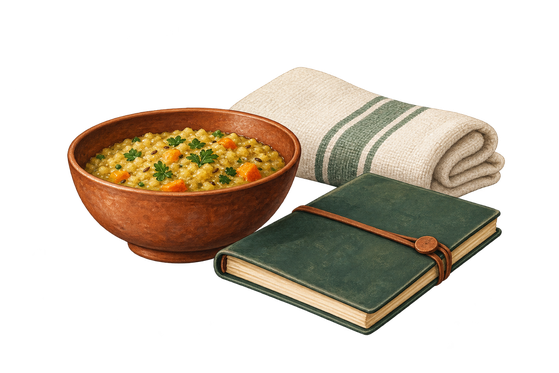
Follow the prescribed preparation, which may include medicines, dietary advice, oil application or sweating procedures.
03 / TREATMENT
Attend supervised care
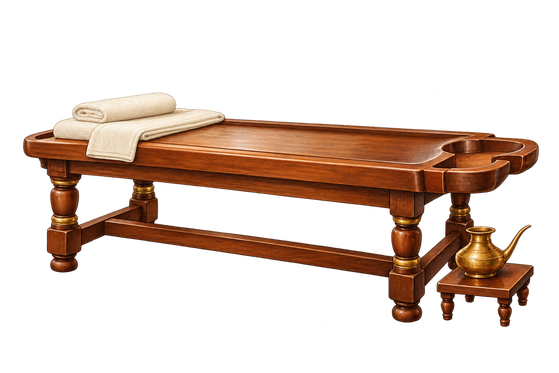
Receive the selected procedures at the clinic, with your response informing the course of care.

04 / AFTERCARE
Support recovery
Follow your individual food, activity and medicine advice, and return for the recommended review.
Explore the treatment families
Different procedures, different purposes.
Our Kerala Ayurveda practice includes preparatory care, Panchakarma procedures and a range of external therapies. They are not interchangeable, and not every Ayurvedic therapy is itself Panchakarma.
PREPARATORY CARE

Oil application & sweating
Purvakarma is preparatory care. Depending on your plan, this may include Abhyanga (oil application and massage) and Swedana (sweating procedures).
Preparation is prescribed for the person and the intended treatment; it is not a fixed routine for everyone.
PANCHAKARMA PROCEDURES

Individually selected treatment
Procedures include Vamana (therapeutic emesis), Virechana (therapeutic purgation), Basti (medicated enemas) and Nasya (nasal administration of medicines).
Raktamokshana, a traditional bloodletting procedure, also requires specific clinical assessment. These procedures must not be attempted at home.
KERALA SPECIALITY THERAPIES

Streams, oils & warm preparations
Our therapy inventory includes Pizhichil, Shirodhara and Pinda Sweda preparations such as Patra Pinda Sweda and Shashtika Shali Pinda Sweda.
The physician selects the preparation, material and application according to the treatment plan.
LOCALISED & SPECIALISED CARE

Care for a selected area
Localised therapies include Kati Basti and Janu Basti. Our wider inventory also covers head, eye, face, ear and mouth procedures.
Suitability depends on the specific procedure and your assessment, including whether another form of care is needed.
These procedures are available at Ashtaang subject to physician assessment and approval. Your doctor will confirm the current arrangements for your proposed care.
Explore the therapies hub →Making time for treatment
Plan for the whole course.
A course may require several visits, sometimes on consecutive days. Preparation and aftercare also need time, so discuss work, travel and other commitments before starting.
Our outpatient facilities →
How long does a visit take?
As an indication, an Abhyanga session commonly takes around 30–45 minutes. This is procedure time, not the total appointment or a recommended course for every patient. Your physician will confirm the expected session length and number of visits.

Outpatient arrangements
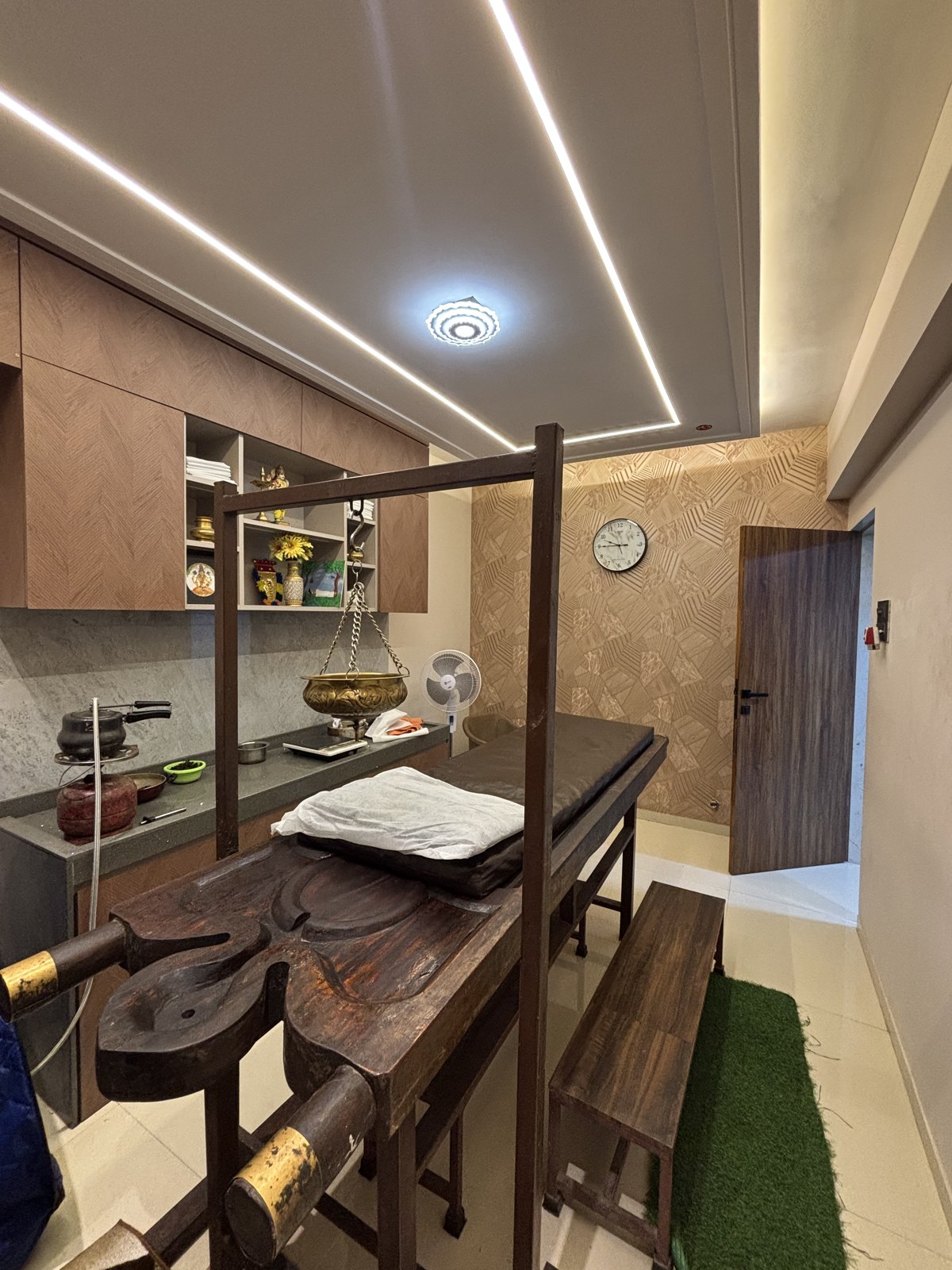
Treatment takes place at the clinic, with two Panchakarma rooms, a separate preparation area, steam and Shirodhara facilities, and attached washrooms. We do not provide accommodation or overnight admission.
Before and after each visit
Follow the instructions given for your prescribed procedure. Tell the clinic if you become unwell or your medicines change, and ask when to resume your usual food, travel and activities.
Suitability & safety
Assessment comes before treatment.
Tell your physician about pregnancy, ongoing medical conditions, recent illness, allergies and every medicine or supplement you take. Some procedures may be unsuitable or need to be postponed.
Risks vary by procedure and by the person receiving it. Ask what side effects to watch for and whom to contact if you feel unwell. Do not stop prescribed medicines without advice from the clinician managing them.
Read the safety and suitability guide →Tradition & contemporary evidence
Keep expectations clear.
Classical Ayurveda explains Panchakarma through its own concepts of dosha and shodhana. These traditional descriptions should not be read as proof that a procedure removes measurable “toxins” or cures a disease.
Clinical experience helps inform individual care, but it is different from evidence from clinical trials. Contemporary evidence varies by procedure and condition, and well-designed research remains limited for many Ayurvedic approaches.
Read NCCIH’s overview of Ayurveda →Your next step
Discuss what is right for you.
Arrange an in-person consultation with Dr Sandeep Pillai or Dr Sreeja Pillai before planning procedures or travel.
Monday–Saturday
Dr Sreeja: 10:30 AM–1:30 PM
Dr Sandeep: 6:00 PM–8:30 PM
Call +91 95521 28485
ashtaangclinic@gmail.com
Contact us during working hours. Appointments are preferred; walk-ins depend on availability.
Find our Ambernath clinic →