Dr. Pillai’s Ashtaang · Patient information
Ayurvedic face, ear and mouth therapies
Ayurveda includes local treatments for the mouth, ears and facial skin, each with a different method and purpose. Some hold or move a prescribed liquid in the mouth; others apply oil to the ear or a herbal paste to the face. At Dr. Pillai’s Ashtaang in Ambernath, we select these procedures after understanding your symptoms, history and treatment needs.
A local symptom can have several causes. We consider relevant dental, ear and skin assessments alongside Ayurvedic examination, and advise specialist care when needed. The aim is a care plan that fits your situation, with a clear explanation of what the proposed procedure involves.
Plan a consultationGandusha and Kavala — two forms of oral treatment
Gandusha holds a prescribed liquid in the mouth before it is expelled. Kavala allows the liquid to move around the mouth. At Ashtaang, the preparation may be an oil or a decoction selected by the physician. These names describe different methods, rather than one standard oil-pulling routine for everyone.
Classical Ayurveda describes several forms of Gandusha, including lubricating, calming and cleansing approaches, selected according to the oral condition and Ayurvedic assessment. [1] This framework helps explain why a preparation suitable for one person is not automatically the choice for another.
These methods may be considered as part of oral care or, when specifically prescribed, in the sequence following another procedure such as Nasya or Vamana. They are not a compulsory addition to every treatment. The physician explains the purpose and checks whether you can comfortably and safely manage liquid in the mouth.
An indicative treatment period is 5–10 minutes; your prescription determines the actual application and whether repeat visits are needed. Allow time for assessment and preparation as well. Tell us about swallowing difficulty, coughing or choking with drinks, mouth sores, recent dental work and allergies to oils or other ingredients.
Your usual brushing and dental care remain important. Persistent gum bleeding, tooth pain or a mouth lesion should be assessed rather than covered up with repeated rinsing. Before leaving, clarify any instructions about eating, drinking and oral care that apply to the preparation used.
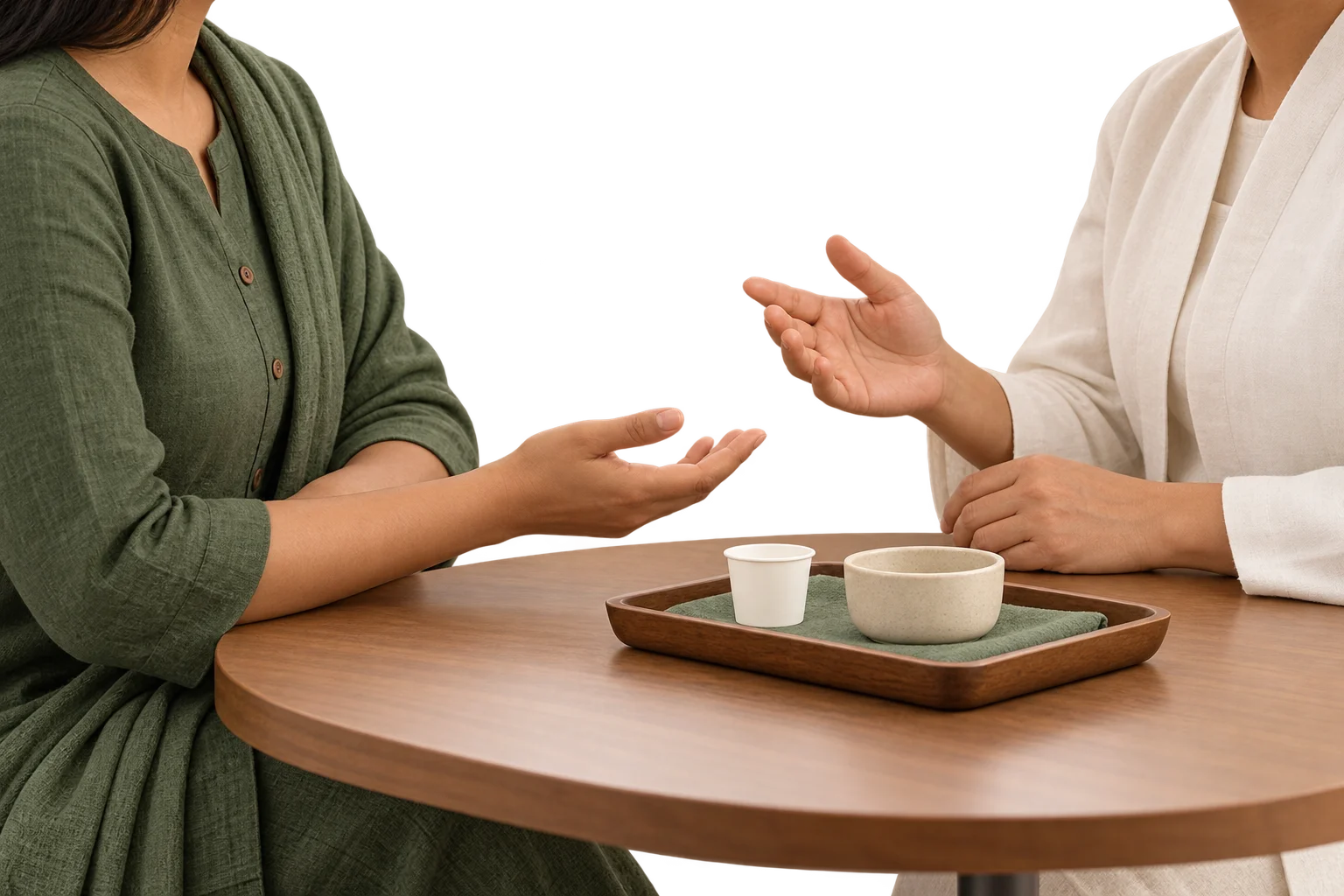
Karnapoorana — prescribed oil application to the ear
Karnapoorana, also written Karna Purana, is an Ayurvedic method of placing and retaining prescribed oil or another suitable fatty preparation in the ear. It is described in the classical discussion of local therapies. [1] At Ashtaang, suitability and the choice of medicine are decided by the treating physician.
People may seek advice because of ear discomfort, a blocked sensation or a hearing concern. These symptoms require assessment before choosing treatment: the same sensation can arise from different problems. An Ayurvedic indication is not a promise that oil application will restore hearing.
Bring any ENT reports or hearing-test results. Tell the doctor about discharge, a known eardrum perforation, ear tubes, previous ear surgery, dizziness or recent infection. These details affect whether an ear procedure is appropriate. Do not put oil into a painful or discharging ear yourself while waiting for assessment.
The session length and follow-up plan are confirmed with your prescription. Before you leave, ask about ear care and any restrictions appropriate to your condition. New or worsening symptoms need reassessment; they should not simply be treated with more applications.
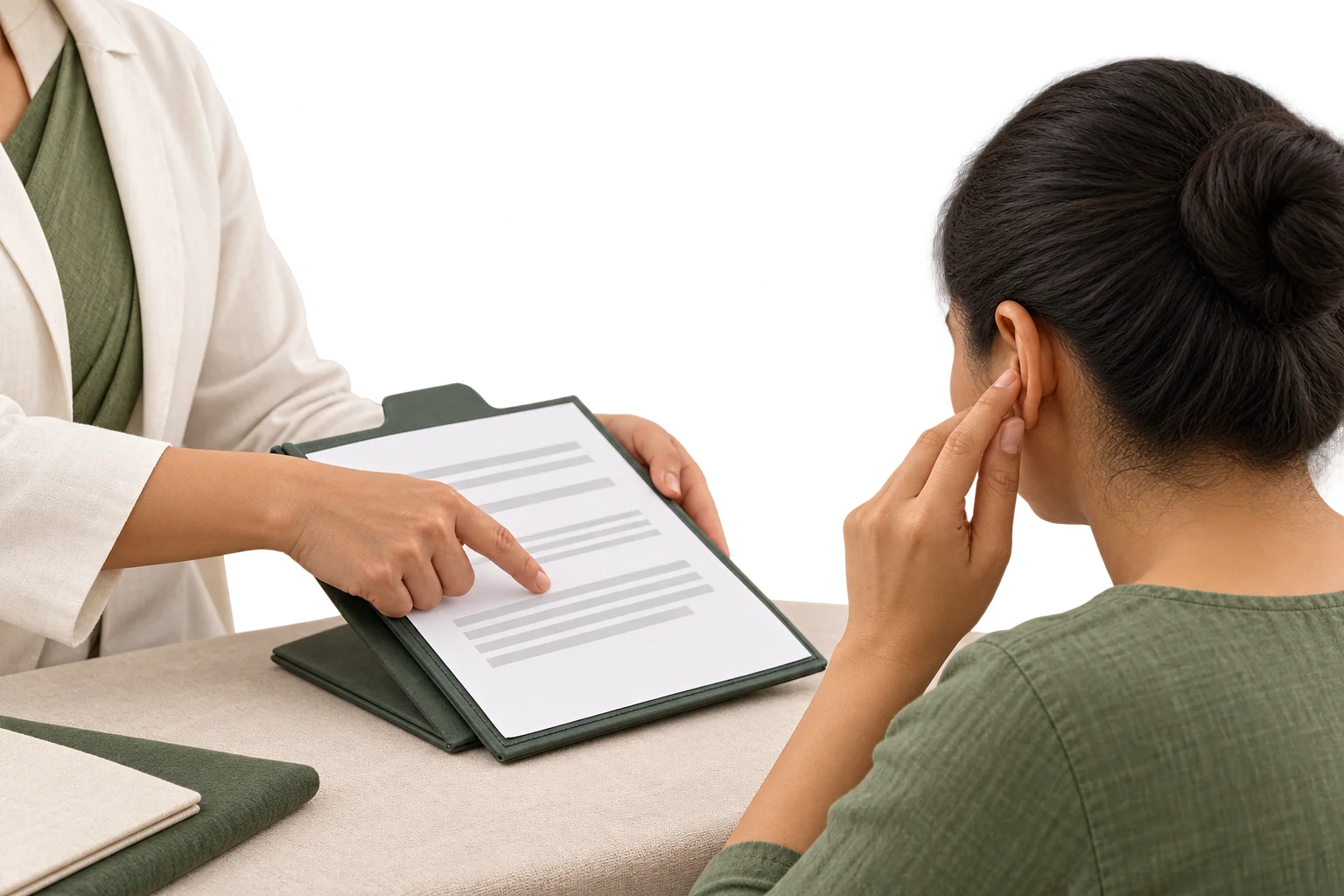
Mukha Lepana — a selected herbal paste for facial skin
Mukha Lepana applies a selected herbal paste to the face for a planned contact period. At Ashtaang, it may be considered within care for concerns such as acne or pigmentation after the skin has been assessed. It is a therapeutic choice within an individual plan, rather than a promise of flawless skin.
The Ayurvedic approach considers the skin’s current condition when selecting a paste. The classical account distinguishes different purposes for facial applications. [1] We choose the preparation for you and explain how it fits with any prescribed medicines, diet or lifestyle advice.
Tell us about sensitive skin, eczema, reactions to skincare products, current creams and recent peels, laser treatment or other facial procedures. These can affect tolerance. The contact time and removal method are set for the preparation; there is no benefit in assuming that a thicker layer or longer application must work better.
Let the team know if you experience burning, itching or discomfort during treatment. Before leaving, clarify cleansing, skincare and sun-exposure advice. Improvement in a skin condition is assessed over time; we do not promise removal of scars, permanent pigment correction, skin whitening or reversal of ageing.
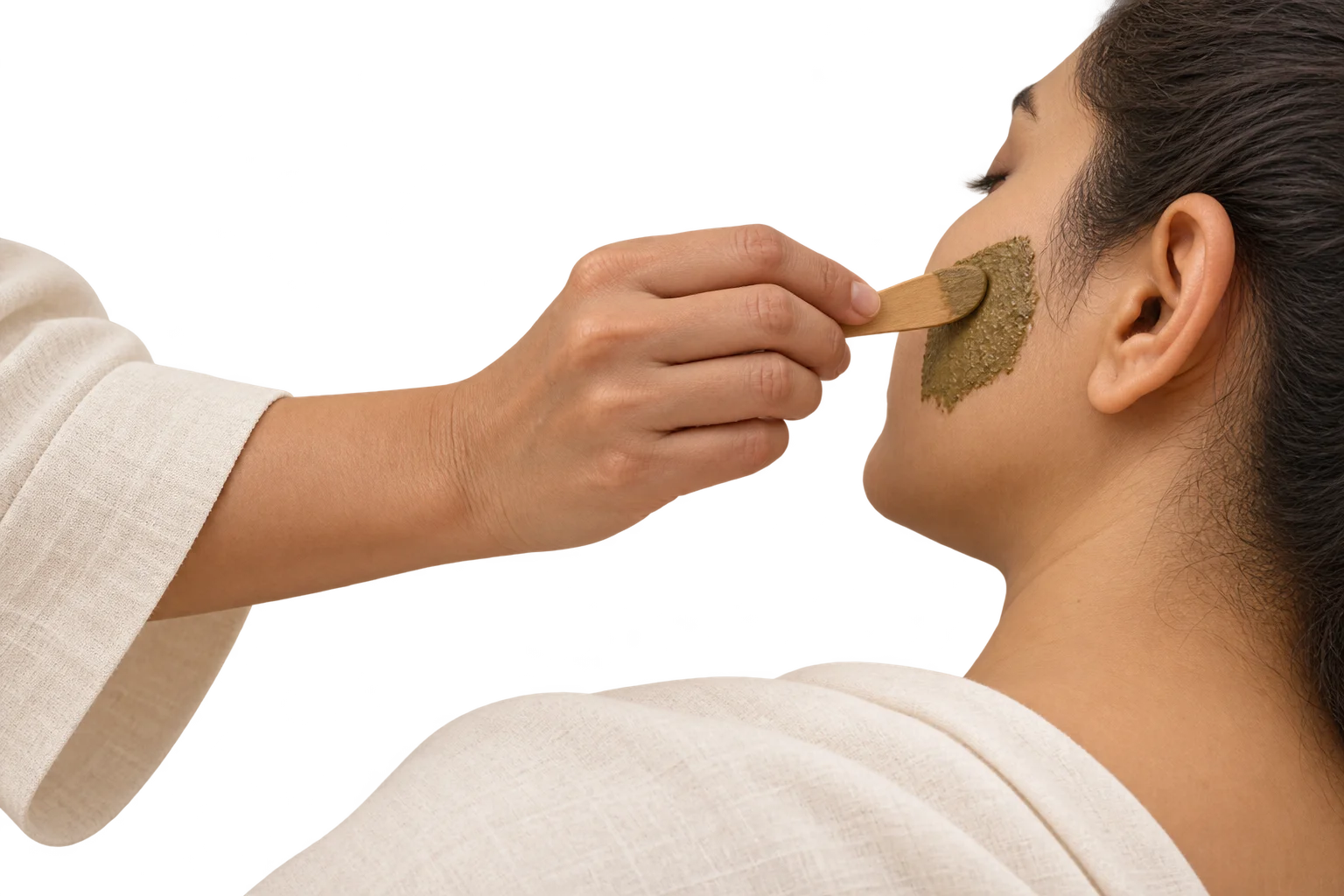
Karna Dhoopana — an ear-focused procedure requiring individual assessment
Karna Dhoopana belongs to the Ayurvedic group of ear-focused fumigation procedures. It is distinct from Karnapoorana, which uses an oil application, and from Dhoomapana, which concerns inhalation of medicated smoke.
At Ashtaang, the physician decides whether this procedure has a role in the individual case. Ear itching or pain is a reason for examination, not an instruction to use smoke. The proposed method, purpose, precautions and aftercare should be clear before treatment begins.
Please mention ear discharge, perforation, surgery, altered hearing, asthma or sensitivity to smoke. Do not attempt ear fumigation or insert burning materials into the ear at home. Ask the physician to explain the expected benefit and the alternatives for your particular condition.

Dhoomapana — a prescribed Ayurvedic smoke procedure
Dhoomapana, also spelled Dhumapana, uses medicated smoke in a specifically selected Ayurvedic treatment context. Classical descriptions distinguish different types and purposes, including use in selected conditions above the collarbone and in certain treatment sequences. [2] It is not the same as steam inhalation.
This is not a general recommendation to inhale smoke or a home remedy for breathlessness. Smoke can irritate the airways. The physician must consider respiratory history, pregnancy, current symptoms and the precise preparation before deciding whether it is appropriate.
If Dhoomapana is proposed, ask why it is being selected, what you should expect and what would make the treatment stop. Report coughing, wheezing, eye irritation, dizziness or discomfort immediately. Do not reproduce a wick, smoke mixture or inhalation sequence from online descriptions. New or severe breathing difficulty needs urgent medical assessment.
Planning your visit
Consultation comes first. Bring your current prescriptions, relevant reports and a clear account of your symptoms, including what has helped or aggravated them. Tell us about allergies, pregnancy or breastfeeding, recent procedures and any difficulty swallowing or breathing.
Your doctor selects the medicine or material and explains the treatment plan. Confirm preparation instructions before the appointment; fasting, stopping medicines or changing skincare should not be assumed. These are outpatient treatments without overnight accommodation, and a plan may involve more than one visit.
Before leaving, make sure you understand the aftercare instructions, how to contact the clinic and when follow-up is needed. Bring your previous written prescription to follow-up visits. If care outside the clinic’s scope is needed, we advise the relevant specialist or hospital.
When an ear symptom needs prompt care
Sudden hearing loss, hearing that worsens over days or weeks, or hearing loss accompanied by ear pain or discharge needs urgent medical assessment. [4] Do not wait for a routine therapy appointment. Ashtaang does not provide emergency services.
Traditional practice and research
The classical descriptions explain the Ayurvedic rationale and differences between these methods. They do not establish the same outcome for every patient, formulation or condition. Clinic availability and a traditional indication are also different from evidence of a treatment effect.
A 2025 randomized study of 40 participants compared sesame-oil pulling with water. It found greater plaque reduction with oil, but no clear additional gum-bleeding benefit; the authors also noted possible bias. [3] This supports further study of a specific oral-care approach, not claims that all Gandusha preparations prevent cavities or treat infections.
The evidence considered here does not establish reliable benefits for the full range of ear, facial and smoke procedures in this guide. We discuss their intended role and review your response rather than promising a cure. Research on oral rinsing cannot be transferred to ear oil, facial pastes or fumigation.
Questions patients often ask
Is Gandusha simply another name for oil pulling?
The terms overlap in popular use, but classical Gandusha and Kavala differ in how the liquid is held or moved. Prescribed preparations may also differ. Your doctor explains the method selected.
Can oral therapy replace dental treatment?
No. It may have a place alongside oral care, but it does not replace brushing, dental assessment or necessary treatment for decay, infection or gum disease.
Will Karnapoorana reverse hearing loss?
Hearing problems have different causes. We assess the concern and consider specialist findings before discussing any procedure; hearing restoration is not guaranteed.
Is Mukha Lepana the same as a cosmetic facial?
It is a selected herbal-paste application within an Ayurvedic plan. The preparation, purpose and contact time depend on your skin and assessment.
Are Dhoomapana and Karna Dhoopana steam treatments?
No. These terms concern smoke or fumigation, with different sites and methods. They require specific selection and precautions; they are not interchangeable with steam.
Can I book a package of all these treatments?
Your consultation determines which, if any, are appropriate. Reception can arrange the visits prescribed for you rather than a fixed sequence of every procedure.
Arrange a consultation
Speak with us about your concern at Dr. Pillai’s Ashtaang Kerala Ayurveda & Panchakarma Clinic, Ambernath. Call or WhatsApp reception on +91 95521 28485 during working hours. Appointments are preferred; walk-ins depend on availability.
Further reading
References
- [1] Vagbhata. Ashtanga Hridaya, Sutra Sthana 22, Gandushadi Vidhi. Online Sanskrit text and explanatory translation: Easy Ayurveda, “Ashtanga Hrudaya Sutra Sthana Chapter 22: Gandusha Vidhim Adhyayam.” Used for method distinctions and traditional context, not efficacy guarantees or treatment instructions. Read source
- [2] Bhojani MK, Jain Rahul, Singh Priti, Deole YS. Dhumapana. Charak Samhita Research, Training and Development Centre, I.T.R.A., Jamnagar. Published 16 June 2023. DOI: 10.47468/CSNE.2023.e01.s09.141. Read source
- [3] Zürcher C et al. The plaque reducing efficacy of oil pulling with sesame oil: a randomized-controlled clinical study. Clinical Oral Investigations. 2025;29:53. Published 9 January 2025. DOI: 10.1007/s00784-024-06134-y. Read source
- [4] NHS. Hearing loss. Reviewed 30 May 2025. Used only for urgent hearing-loss triage. Read source